
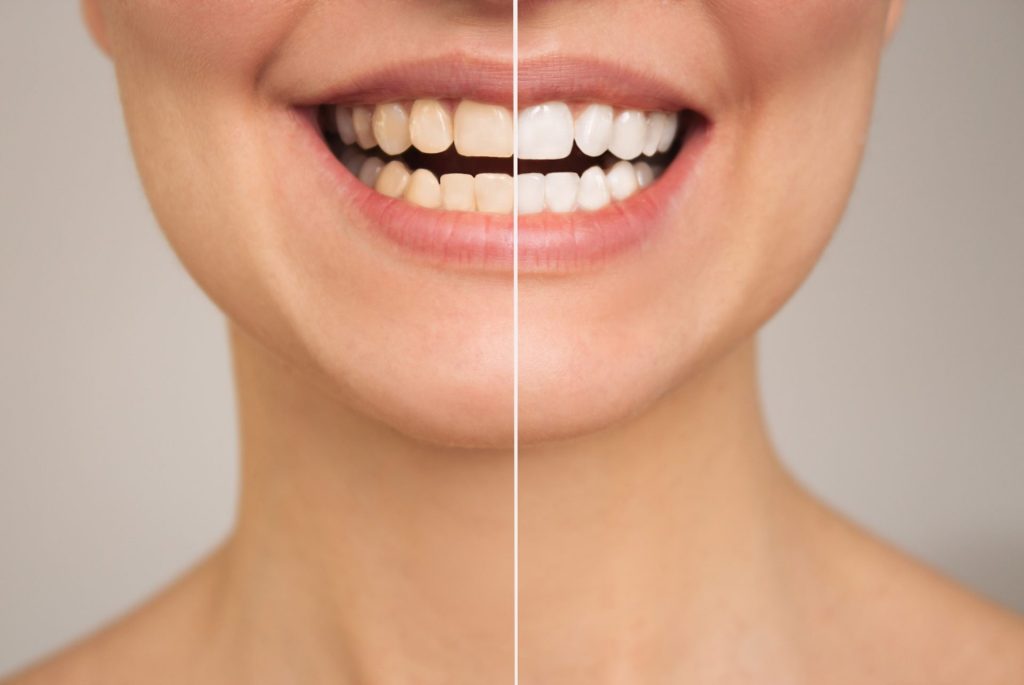
Tooth color can gradually change over time, and many people wonder what might be behind those shifts. Some changes are connected to everyday habits, while others come from natural processes within the body.
Recognizing the causes of tooth discoloration can help you better recognize what may be affecting your smile. In this blog, we’ll look at several common factors that influence tooth color and explain how teeth whitening treatments may help improve overall brightness.
Everyday Foods and Drinks
Many foods and drinks contain pigments that can cling to tooth enamel, the outer protective layer, and contribute to discoloration. Enamel has tiny openings where stains can settle over time. With repeated exposure, these pigments may gradually darken the tooth’s appearance.
Common sources of surface staining include:
- Coffee
- Tea
- Red wine
- Deeply colored sauces or berries
Tobacco Use
Nicotine and tar from tobacco products leave residue that clings to tooth surfaces. Tar contains sticky compounds that bond easily with enamel. Over time, this buildup can create dark deposits that become more noticeable. Continued exposure may allow stains to settle slightly below the surface, making them harder to remove with routine brushing.
Age and Natural Enamel Changes
Tooth color can change as part of the natural aging process. Daily chewing and brushing slowly wear down enamel. Beneath it lies dentin, which has a naturally yellow tone. As enamel becomes thinner, dentin becomes more visible. Years of small stains may also collect on the surface, contributing to a darker appearance over time.
Certain Health Factors and Medications
Some health-related aspects can influence tooth color during development or later in life. Specific medications may interact with minerals in teeth, gradually changing their shade. Other medical treatments may also affect enamel and dentin.
Factors linked to these changes include:
- Antibiotics such as tetracycline
- Antihistamines or blood pressure medications
- Chemotherapy or radiation therapy
- High fluoride exposure during childhood
How Professional Teeth Whitening Treatments Work
Professional whitening treatments use gels designed to penetrate enamel and target stain molecules. These formulas typically contain peroxide compounds that break apart pigment particles within the tooth surface.
Dentists may recommend two common approaches:
- In-office whitening performed under supervision
- Custom take-home systems
As pigments break down, teeth may gradually appear lighter. Whitening treatments may also help:
- Improve overall tooth brightness
- Create a more even tooth shade
- Address stains that routine brushing cannot remove
Schedule a Consultation for Professional Teeth Whitening
Tooth color can change slowly, and the causes of tooth discoloration are not always obvious. Learning how stains form and how whitening treatments work can help you make informed decisions about improving your smile.
If you’re interested in exploring teeth whitening options, book an appointment with Niagara Falls Dentistry. Our team in Niagara Falls, Ontario can evaluate your teeth and discuss treatments that may help improve overall brightness.