- 4025 Dorchester Rd., Niagara Falls, ON L2E 6N1
- 905-354-6565


Maintaining clinical oral health is a critical component of overall well-being. Teeth and gums are directly connected to systemic health, influencing everything from digestion to cardiovascular function. Whether you are scheduling routine cleanings, exploring cosmetic enhancements, or addressing urgent dental concerns, selecting a dental provider in Niagara Falls is an important healthcare decision.
For families and individuals in Niagara Falls, Ontario, access to comprehensive dental care ensures that every stage of oral health—from early childhood development to restorative treatments in adulthood—is properly managed. At Niagara Falls Dentistry, patients receive an approach that combines preventative care, advanced diagnostics, and modern treatment techniques.
This complete guide serves as a centralized resource to help you understand dental services, evaluate providers, and take proactive steps toward maintaining your oral health.
A qualified dentist in Niagara Falls provides a wide spectrum of services designed to maintain, restore, and support oral health. Dentistry is a proactive discipline focused on prevention, early detection, and long-term care.
Core responsibilities include:
A general family dentist plays a crucial role in monitoring changes over time. Continuity of care allows dental professionals to track patterns, identify risks early, and personalize treatment plans to maintain stability. When establishing care, many patients benefit from reviewing our guide on choosing the right dentist for their family in Niagara Falls to ensure an ideal clinical fit for their household.
Preventative dentistry is the cornerstone of long-term oral health. By addressing potential issues early, patients can stop decay before it reaches the nerve, which eliminates the need for invasive and costly root canals or extractions.
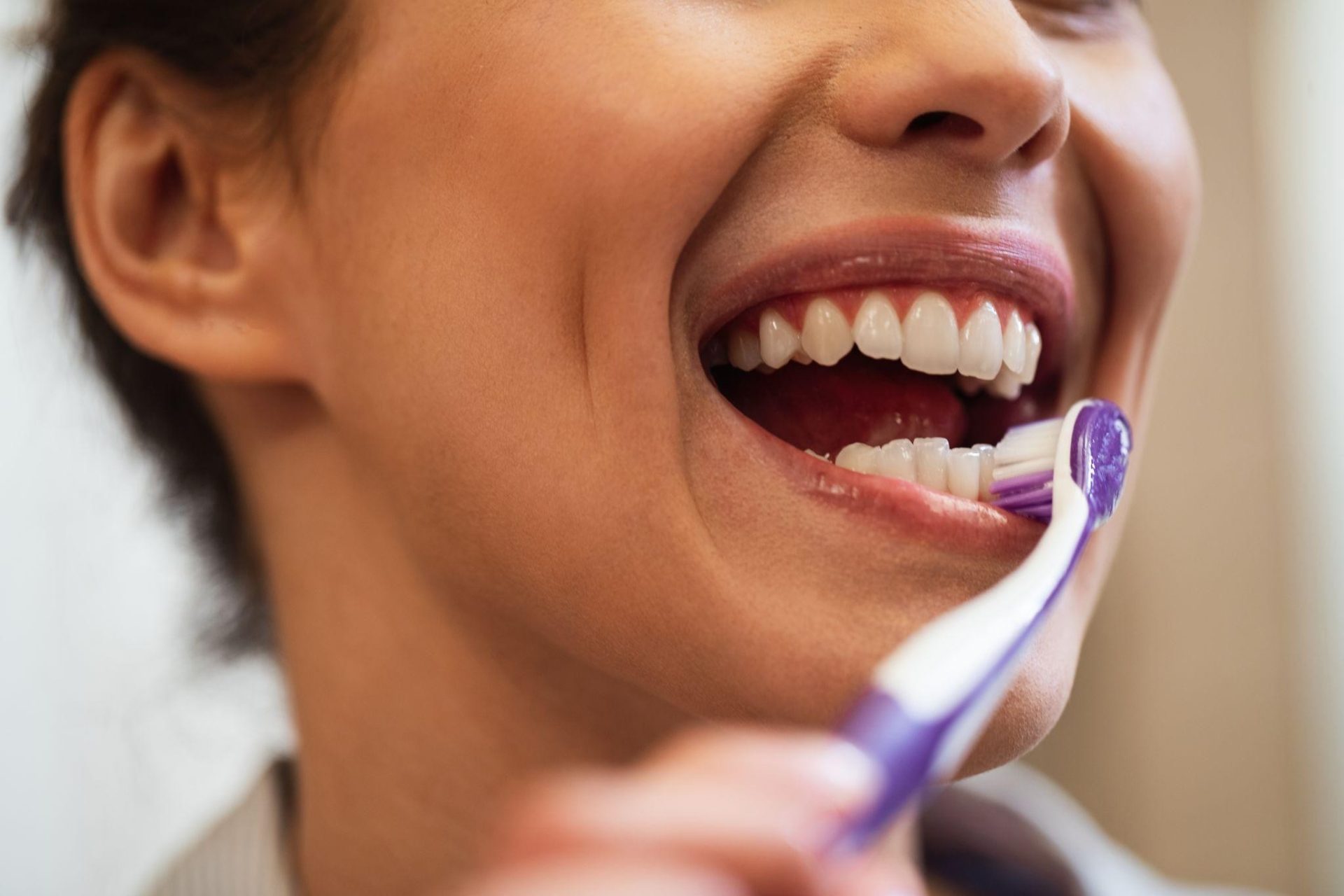
Maintaining oral health in Niagara Falls begins at home with consistent daily habits. Plaque buildup is continuous, and without proper care, it can lead to tooth decay and gum disease.
Key preventative practices:
Understanding cavity prevention strategies is essential for protecting enamel and preventing decay. Establishing these habits reduces long-term dental risks.
Even with consistent home care, professional dental visits remain essential. Routine cleanings remove hardened tartar that cannot be eliminated through brushing alone. During these visits, dentists perform diagnostic evaluations to detect early signs of disease.
Regular checkups allow dentists to monitor gum health, evaluate bite alignment, and identify hidden issues through digital imaging. This includes vital early diagnostic checks, such as what to expect during an oral cancer screening.
Oral health can be affected by environmental conditions. Seasonal changes, particularly colder weather, can lead to increased sensitivity and dry mouth. Reduced saliva production weakens the mouth’s natural defense against bacteria. Patients experiencing these issues can benefit from specialized steps outlined in our seasonal guide on gum care during cold weather to help maintain oral comfort and protect tissues.
Early dental care plays a vital role in shaping lifelong oral health habits. Pediatric oral care focuses on monitoring growth, preventing decay, and creating positive dental experiences for children.
Children’s teeth undergo rapid developmental changes, and early intervention helps prevent long-term alignment complications. For a deeper look into why these early visits matter structurally, read more about why pediatric dentistry matters. Primary teeth are essential for:
Effective pediatric care includes:
Despite preventative efforts, dental damage can occur due to decay, trauma, or wear. Restorative dentistry focuses on repairing teeth and restoring full masticatory functionality.
Common Restorative Treatments include:
Delaying restorative care allows decay to progress into the root canal system, increasing the risk of physical strain and infection. Prompt treatment ensures that minor issues do not escalate into systemic health risks.
Cosmetic dentistry focuses on improving the appearance of your teeth while maintaining their overall mechanical function.
Popular Cosmetic Treatments include:
Cosmetic treatments are often combined with restorative procedures to achieve comprehensive structural transformations, improving structural alignment and restoring eroded tooth surfaces.
Dental emergencies require immediate clinical attention to prevent tooth loss and manage spreading infections. To learn how to spot these situations immediately, read more about common dental emergencies.
Seek immediate care if you experience:
Taking the appropriate steps before reaching the clinic helps preserve tissue viability. For a step-by-step breakdown of what to do at home during an accident, review how to handle a dental emergency. Standard emergency steps include preserving a knocked-out tooth in clean milk, avoiding contact with the exposed root, and seeking immediate clinical care.
Modern dentistry leverages advanced technology to improve diagnostic accuracy, patient comfort, and procedural efficiency. Key innovations include digital imaging for precise, low-radiation diagnostics, laser dentistry for minimally invasive soft tissue procedures, and advanced composite materials. Benefits of modern dentistry include decreased treatment times, reduced physical strain during procedures, and predictable clinical outcomes.
Selecting a provider is essential for maintaining consistent oral health care. Key factors to evaluate include clinical experience, the range of services offered, the use of modern dental technology, objective patient reviews, and clear communication regarding treatment planning. A trusted family dentist in Niagara Falls will prioritize your clinical outcomes while delivering comprehensive care tailored to your household’s long-term history.
Niagara Falls Dentistry delivers dental care through a patient-focused framework. Clinic features include:
Most patients require a visit every six months for routine checkups and professional cleanings. Some individuals require more frequent intervals based on their periodontal health.
A family dentist offers preventive, restorative, cosmetic, and pediatric dental care for all household members.
Urgent emergencies include severe pain, visible facial swelling, structural trauma, or uncontrolled bleeding. Immediate clinical intervention is required.
Cosmetic treatments improve structural alignment, repair minor chips, and adjust discoloration to enhance the overall aesthetic appearance of the teeth.
Brush twice daily with fluoride toothpaste, floss daily, limit sugar intake, and attend professional cleanings twice per year.
Achieving and maintaining clinical oral health requires a combination of daily care and professional diagnostic support. By partnering with a trusted dentist in Niagara Falls, you can ensure that your teeth and supporting tissues remain functional for years to come.
Niagara Falls Dentistry provides comprehensive dental services designed to meet the needs of individuals and families at every stage of life. Contact our office today to establish your preventative oral care plan.